

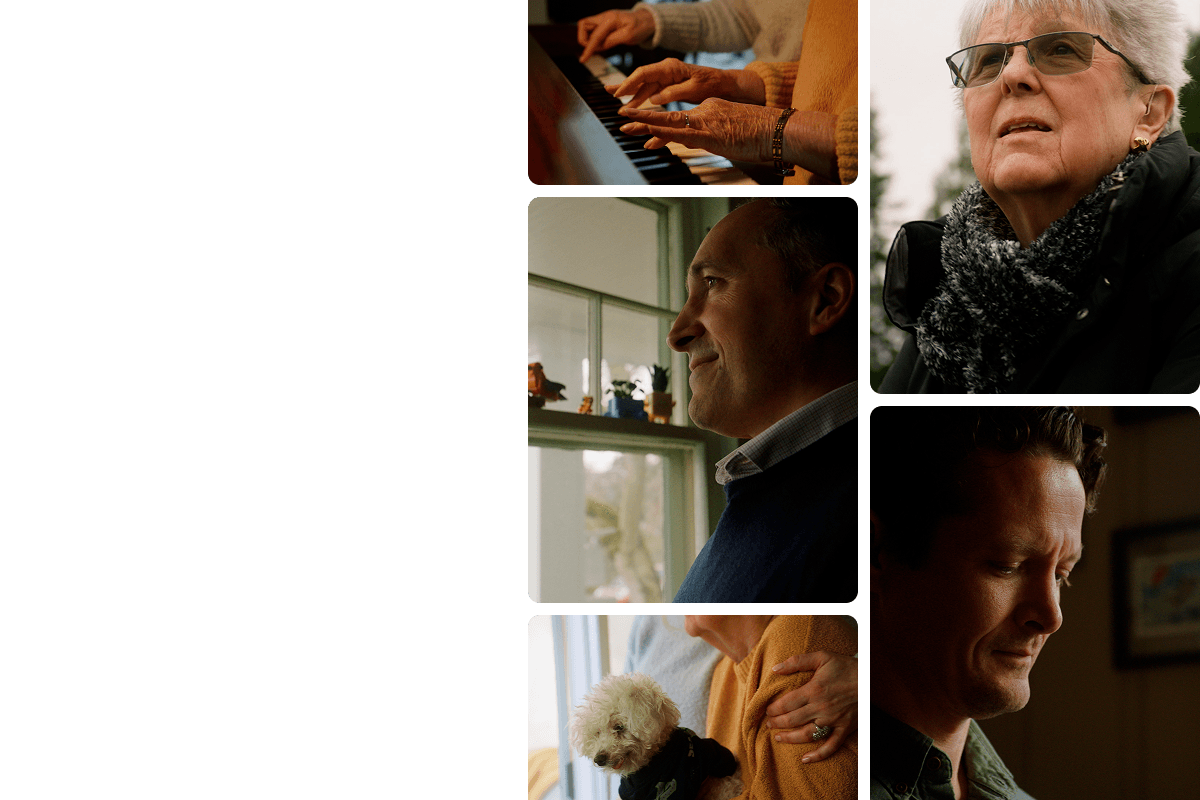
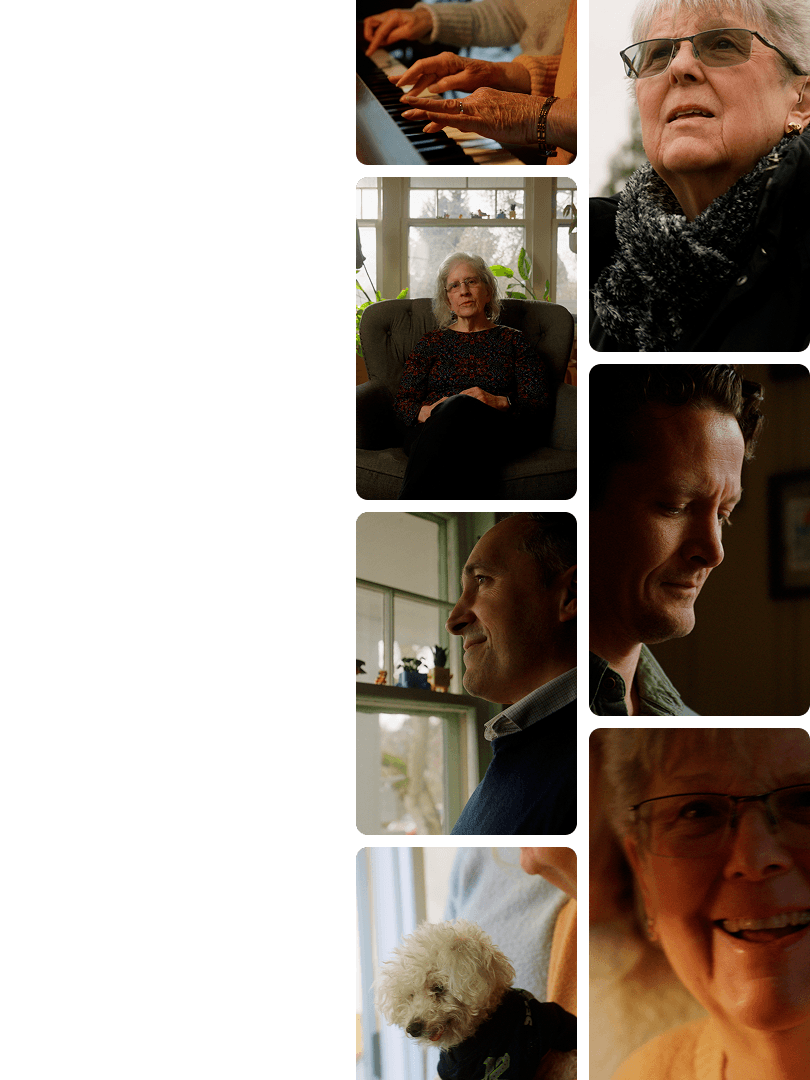
"My kids would say, 'It feels like Grandma isn't really there'," says Andrea Pidgeon, whose mother was diagnosed with dementia a year ago. The heartache which follows in cognitive impairment's wake is not confined to the individual, it ripples outwards, touching family members and friends as a new reality sets in. This experience is increasing as one in three adults over the age of 65 lives with either dementia or mild cognitive impairment (MCI).
While existing treatment options can delay symptoms and improve quality of life, many people do not have access to them. "For most people, even if they are lucky enough to get a diagnosis, the next step is often 'good luck'," says Babak Parviz, co-founder and CEO of NewDays. "There can be very little offered beyond that."
Despite how common the condition is, access to treatment remains limited, and many interventions are costly to deliver and difficult to scale. No "cure" is currently available, but conversations and cognitive training can help to slow the progress of the disease, according to a substantial body of clinical evidence, including the I-CONECT Study led by researchers at a Boston-based academic medical centre.
Clinical studies show that cognitive training exercises and guided conversations with a clinician can, in some cases, improve symptoms and support cognitive function. Researcher's explored whether regular, structured conversation could support cognitive health in older adults at risk of decline. The trial involved participants aged 75 and over, and for around six months they took part in either frequent video conversations on every day engaging topics, or brief weekly check-in calls. Compared with the brief weekly check-in call group, those who participated in the video conversations showed an improvement of nearly two points on the MoCA score – a test which healthcare providers can use to screen for MCI and early dementia by evaluating various cognitive functions including memory, attention, language and visuospatial skills – equivalent to reversing close to a decade of cognitive ageing.
"Cognitive decline isn't simply a case of use it or lose it and contrary to popular belief, the brain doesn't work like a muscle," says Alex Bahar-Fuchs, director of neuropsychology for NewDays. "However, although thinking isn't something you can just exercise in a straightforward way, what we do know is that staying mentally and socially engaged can support brain health and help people function better for longer."
The new science giving dementia patients hope
Watch New Days: A film about dementia, hope, and the people fighting back
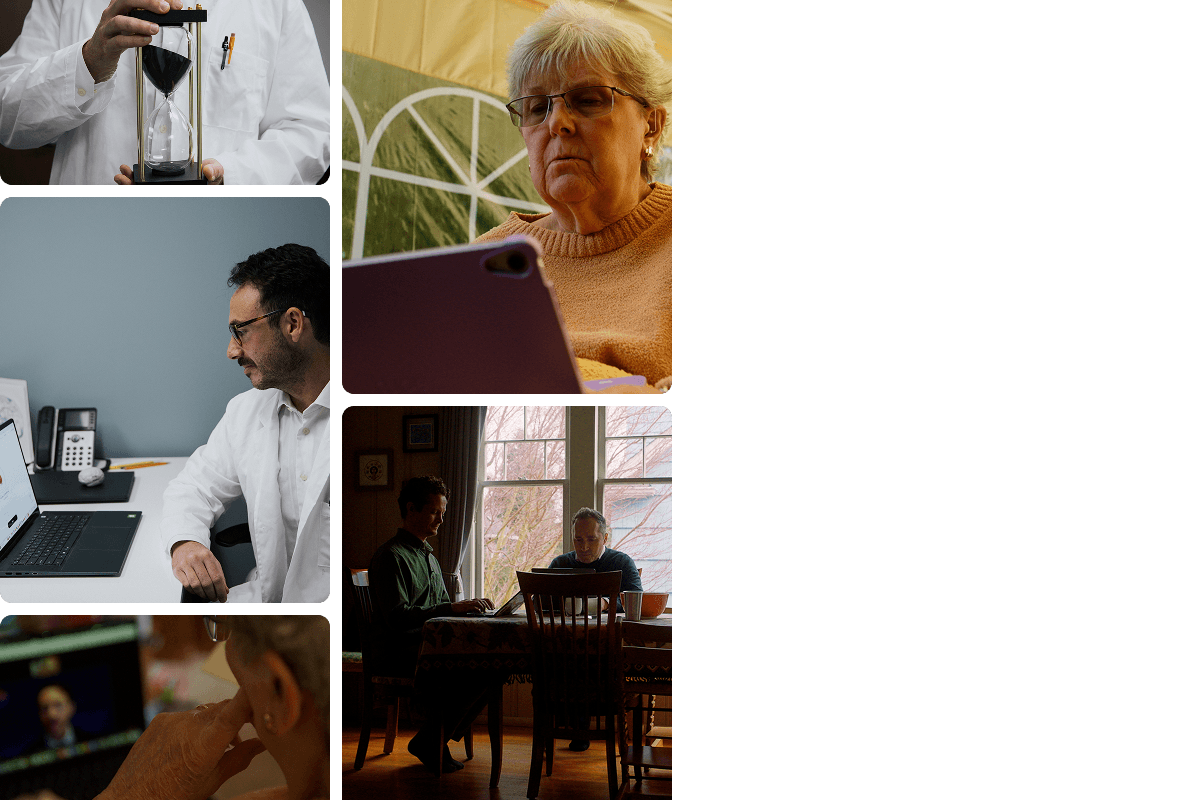
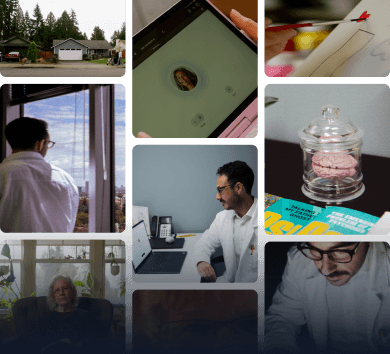
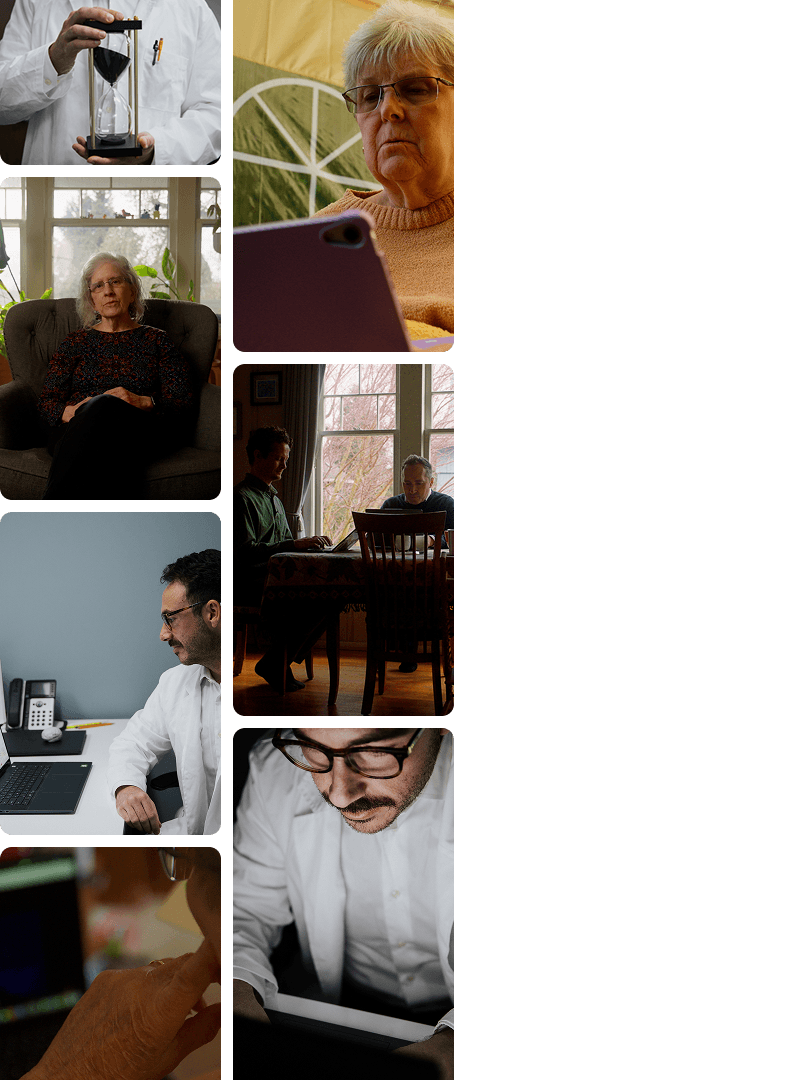
The I-CONNECT Study informed the development of NewDays' platform. Users of NewDays are prescribed regular, tailored appointments with a dedicated clinician, paired with daily cognitive exercises provided by Sunny, their AI brain trainer. Human clinicians oversee care, monitor progress and adjust treatment. Sunny provides regular touch points, from simple conversation starters that are structured to exercise brain functions like memory or critical thinking, to more complex tasks that further stimulate brain activity.
"In the best cases, we can push back the symptoms of dementia by a year or more," Parviz explains regarding preliminary findings of their recent study. "We're not trying to extend lifespan. We're trying to give people higher-quality years within it."
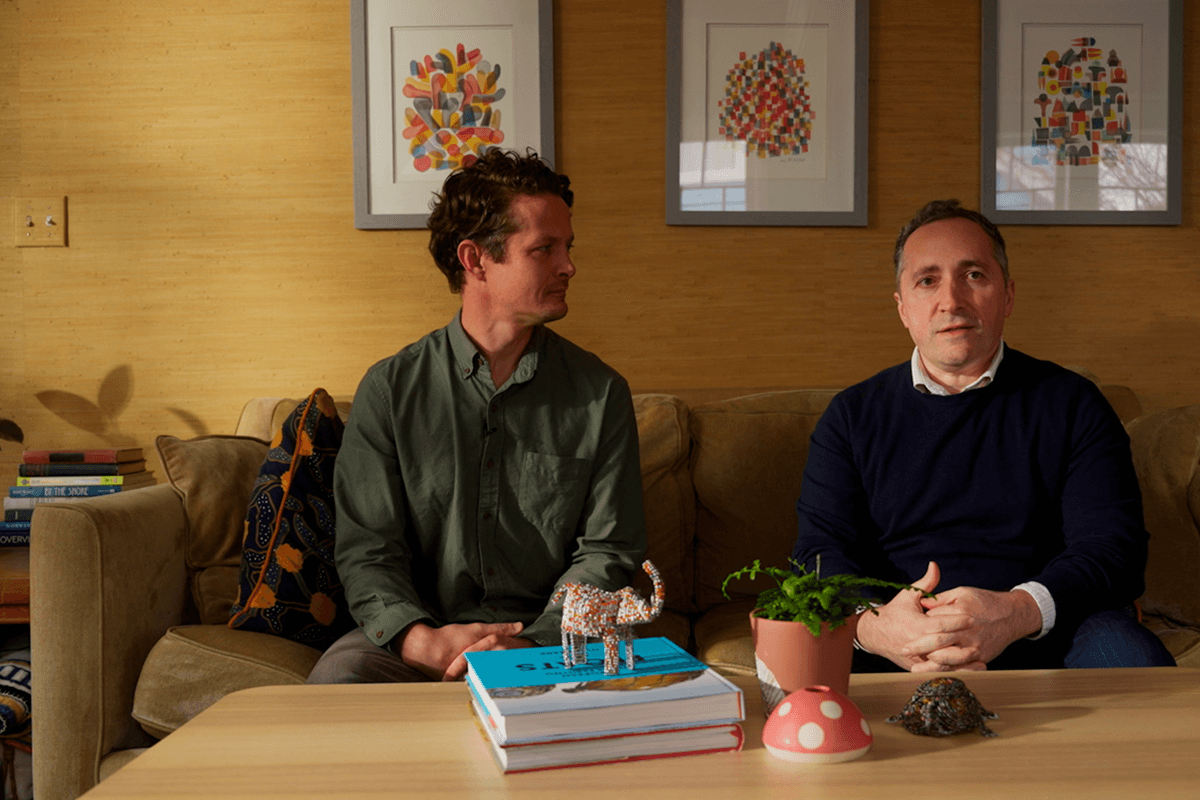
NewDays co-founders, Parviz and Daniel Kelly, both experienced the personal impact which comes with caring for someone with cognitive impairment. Parviz's father was diagnosed with Alzheimer's disease, and Kelly has an extensive family history of dementia, spanning multiple generations. Together, they set out to create a service which offers patients a lifeline that could improve their day-to-day lives and provide physical therapy for the brain. "If someone had hip surgery, they would not have to live with the consequences. Cognitive impairment should be treated the same way," says Kelly. "Your cognition is your life experiences, your sense of humour, your memory of loved ones, it's who you are. Beginning to lose that strips you of the person you are, more than almost any other disease."
So far, the system has been built and deployed in five states in the US – California, Florida, Texas, Washington and New York. The company reports that their initial cohort of nine patients experienced on average a delay in symptom progression of more than a year, alongside reductions in anxiety and depression.
Daniel Fenton, head of neuropsychological services at NewDays, oversees the clinical side of the programme. "Our role is to make sure what we're doing genuinely makes clinical sense and actually helps people," he says. "There's a huge gap between 'don't worry about it' and 'you have a diagnosis'." This can often leave people and the loved ones around them feeling isolated and scared. Fenton describes people initially coming into NewDays "frozen" and worried about the next stage of their lives.
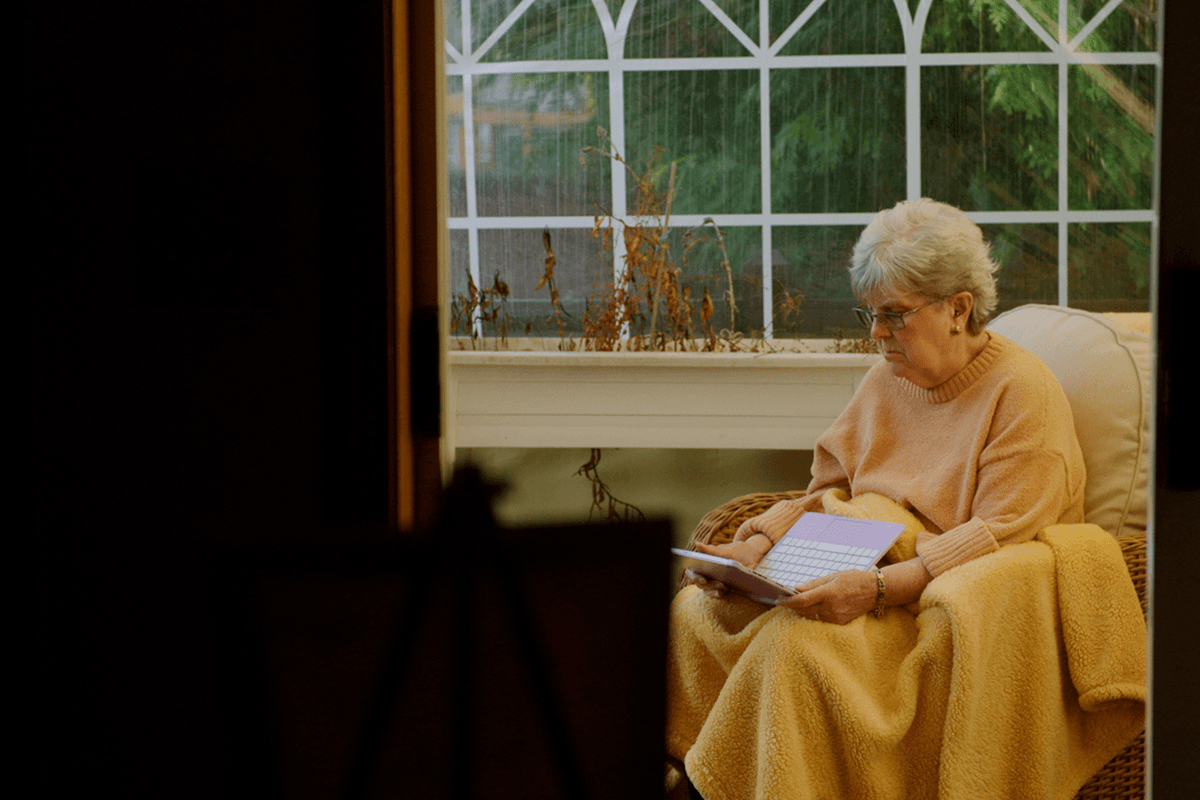
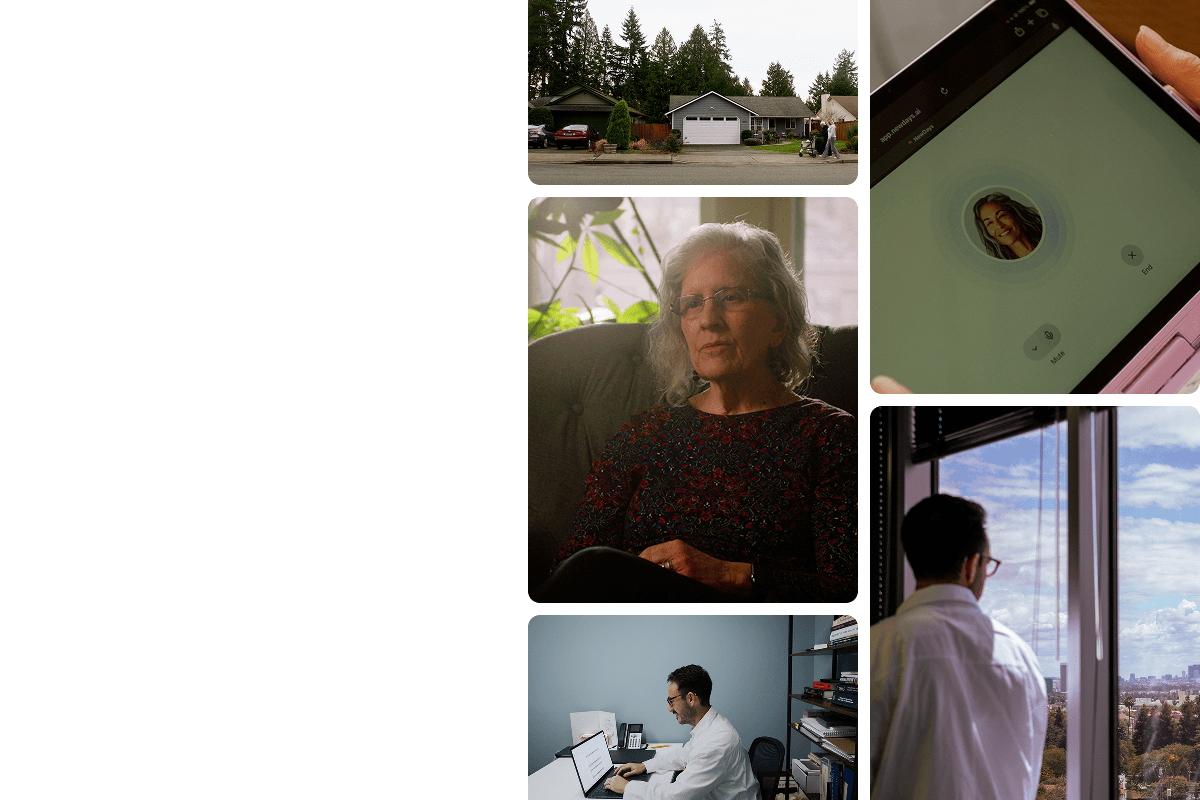
Beyond clinical recognition, NewDays is helping reshape realities of the families who care for these patients. "Families often tell us, 'They seem more like themselves again'," Fenton says. "That's huge."
Ginger Hays, whose mother had Alzheimer's disease and whose sister is now living with dementia, saw how quickly social interaction can be taken away from those who are diagnosed, even when memory loss was not very progressed. "The minute you get an Alzheimer's diagnosis, people stop talking to you," Hays says. "There's fear around it, and people shut down."
Having cared for her mother until the end of her life, Hays now also cares for her sister, who has dementia. She says she wishes she had had access to something like NewDays when caring for her mother, but is grateful to have Sunny help with her sister. "If my mom had had Sunny, she would have had someone to talk to when I couldn't be there," says Hays. "When I first saw my sister use it, I almost cried, because I thought 'this could have helped mom so much'."
Hays says she watched her sister light up with Sunny. "She was sharing things and talking about stuff she still wanted to do, things I didn't even know about," she says. "It has let me see my sister again and learn even more about her."
Hays is not alone, for Andrea Pidgeon, whose mother was diagnosed with dementia a year ago, NewDays has also become part of her day-to-day routine and reignited her mother's confidence and helped her independence. "People tend to do things for mum because they think it's easier," Pidgeon says. "But I'm a big stickler for letting her do things herself."
But since working with NewDays the change has been noticed across the family. "Now Grandma is back to being sassy again, more social, more engaged. It's given me my mom back. I want her to live life to the fullest for as long as she can, and I believe this treatment has added years of quality to her life."
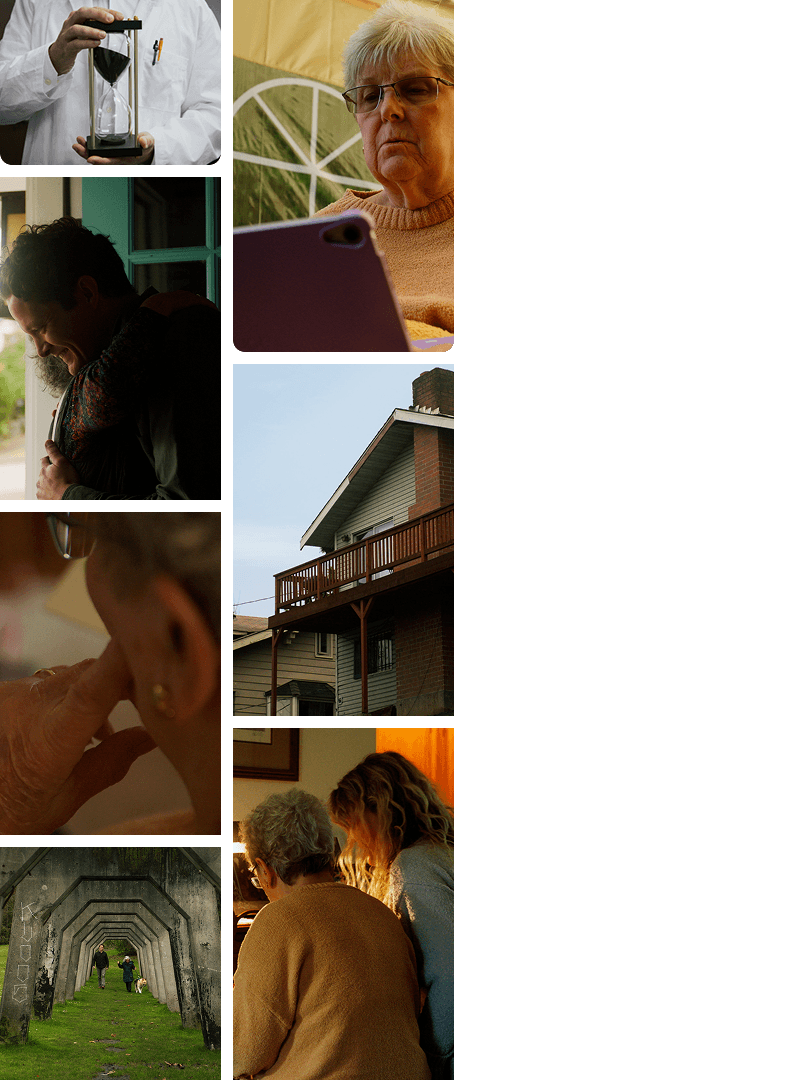
NewDays does not position its technology as a cure, nor as a replacement for medical care. Instead, it is designed to sit within a broader approach that includes early diagnosis, clinical oversight and patient education.
"The future for cognitive healthcare, I believe, is hybrid," says Daniel Fenton. "Cognitive health is something you live with every day, not something you check once a year in a doctor's office. Technology helps us support people between visits, and clinicians bring the insight, flexibility, and human connection."
As populations age and dementia diagnoses continue to rise, scalable, evidence-based interventions are becoming increasingly urgent. "Conversation is central to how we think, communicate and stay connected," says Bahar-Fuchs. "Cognitive training has a strong evidence base, and we are now able to deliver this in a more natural, conversational format, to support cognition, confidence and engagement in daily life."
By combining clinical science with AI, and grounding both in human connection, NewDays is offering a different way forward. And while it utilises AI's capabilities to support its services, there are still limitations around AI technology, meaning that human involvement at NewDays is key.
"We're not promising miracles," Babak Parviz says. "We're offering people time. And in dementia care, time is everything."